Practical by design
Strategies with a December 31 deadline, ready to bring to clients this week.

A live virtual intensive for tax professionals
Two afternoons of practical strategies you can take into client meetings before December 31, taught by the practitioners who use them.
The reason to join
Strong Finish is a focused, two-afternoon experience for EAs, CPAs, and attorneys who want practical, year-end moves they can explain in one meeting.
See the credit detailsStrategies with a December 31 deadline, ready to bring to clients this week.
Retirement and entity moves that open the door to a fuller planning engagement.
Up to 6 CE/CPE credits in Taxes, reported to the IRS with your PTIN.
Two afternoons
Three 50-minute sessions each day, with a 10-minute break between them. All times Eastern.
Find missed required minimum distributions across every account type, correct them, and reduce the penalty before year-end.
Understand how leveraged charitable strategies are built, the rules behind them, and how to separate a strategy that holds up from one the IRS will challenge.
When a defined benefit plan beats a 401(k) for high-income owners, and how the deduction is sized.
Use retirement contributions as a fast, simple tax win for business owners paying $50,000 or more in tax.
How ownership, entity choice, and state of formation work together, from the attorney's side of the table.
Learn how to move profits into places that earn more than the tax it costs to get them there, then plan the route and timing.
Credit and compliance
Each session is a separate program. Attend live under your own name, answer the polling questions, and receive credit for every session you complete.
This program qualifies for IRS continuing education credit for Enrolled Agents. The IRS does not require continuing education for other tax return preparers. Participation is voluntary for them. Credits are posted to the PTIN account of any participant who provides a PTIN.
| Delivery method | Group Internet Based (live online) |
|---|---|
| Credit per session | 1.0 CPE credit based on a 50-minute hour, or 1 IRS CE hour |
| Total available | Up to 6 credits. Each session is a separate program |
| Field of study | Taxes |
| IRS category | Federal Tax Law |
| Program level | Intermediate |
| Prerequisites | Basic knowledge of federal income taxation |
| Advance preparation | None |
| Attendance | Join under your own name, attend the full session, and answer in-session polling questions |
| PTIN | Collected at registration and entered exactly as it appears in the IRS PTIN account |
| IRS reporting | Within 10 business days of each program |
| Certificates | Emailed within 14 days of the event |
| Sponsor IDs | NASBA Sponsor ID [#####]. IRS CE Provider number [XXXXX]. |
| Program numbers | One per session: [XXXXX-T-00000-26-O], supplied by the provider |
The people in the room
Every instructor works in the subject they teach and brings the nuance that only experience can provide.

CPA/PFS
Founder of The Executive Touch and CEO of Oasis Tax Advisory Services. Angie brings a background in corporate audit and fraud investigation to tax representation and strategy for business owners.
Designing Legal Ownership, Tax Strategy, and State Structure
EA
Founder of Bowens Tax Solutions, where she represents individuals and small businesses before the IRS. She has worked in tax since 2011 and hosts the Tax Relief with Timalyn Bowens podcast.
Fix Missed RMDs Before December 31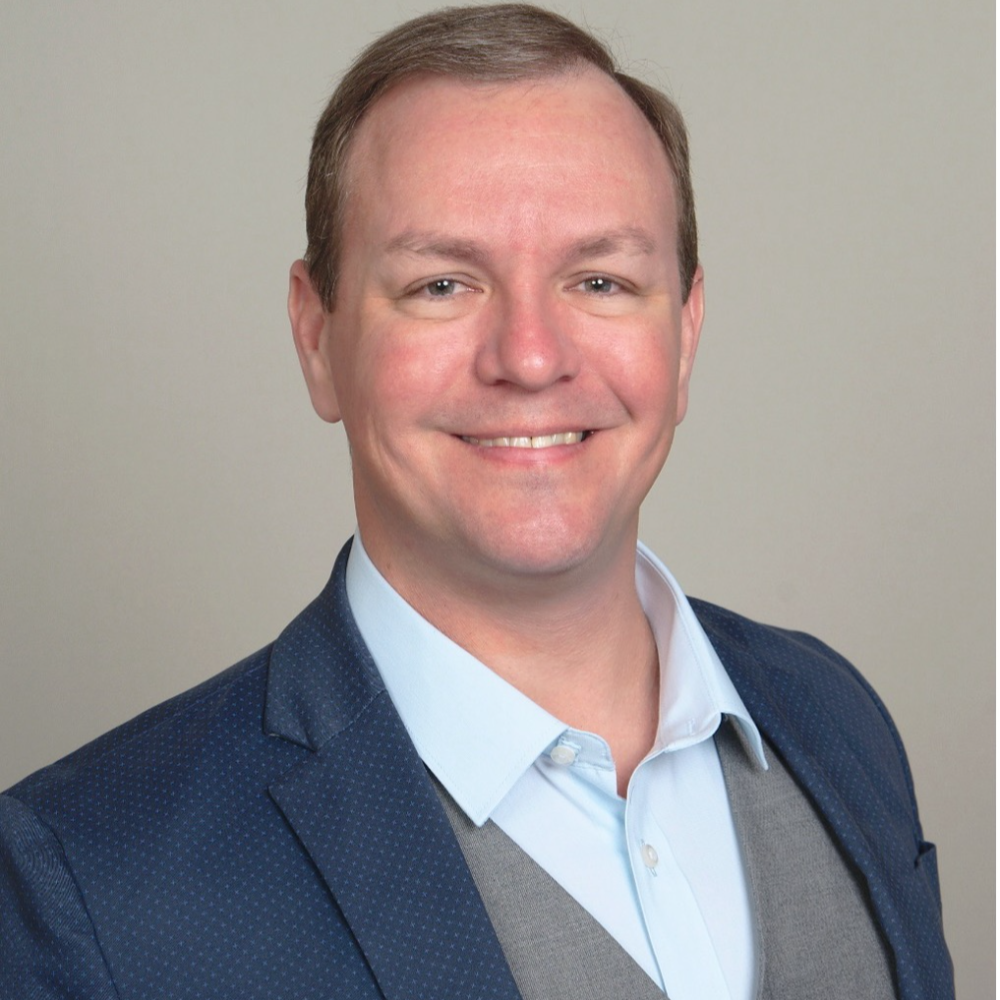
MBA
Managing Partner at S.W.A.N. Virtual Family Office, a multidisciplinary firm that brings a family office approach to affluent clients and business owners. Ryan speaks on tax credit and deduction strategies for business owners and on collaboration between tax professionals and financial advisors.
Year-End Planning with RTU Software and Leveraged Charitable Deductions
Business Benefits Consultant
Founder of Business Benefits Consultants, specializing in defined benefit and cash balance plans as a deduction strategy for business owners.
Defined Benefit Plans for High Earners
EA
President of BizTax Advisory, where he advises business owners on structure, systems, and tax strategy as the business grows.
The Retirement Tax Playbook: Contribution Strategies for Business Owners
JD
Founder and principal of AMG Counsel, focused on business formations, asset protection, estate planning, and succession planning.
Tax Planning to Move Business Profits to Owners at the Lowest Tax CostYour seat awaits
One registration covers both days, all six sessions, and up to 6 CE/CPE credits.
Both days, all six sessions, and up to 6 CE/CPE credits.
Registration collects your full legal name, email, credential, and PTIN. PTIN is required for IRS reporting.
Register for $200Good to know
Everything you need to make the most of the experience, from credit requirements to attendance.
Each session is a separate 1-credit program. Attend live under your own name and answer the in-session polling questions to receive credit.
Policies
Cancel by November 2, 2026, for a full refund. After that date, registrations are non-refundable, but you may transfer your seat to a colleague at no charge by emailing us before the event begins.
If we cancel or reschedule the event or any session, we will notify registrants by email as soon as possible. You may choose a full refund or a seat at the rescheduled date.
For questions or complaints about this program, contact James Foo at foo@theexectouch.com. We respond within 2 business days.